
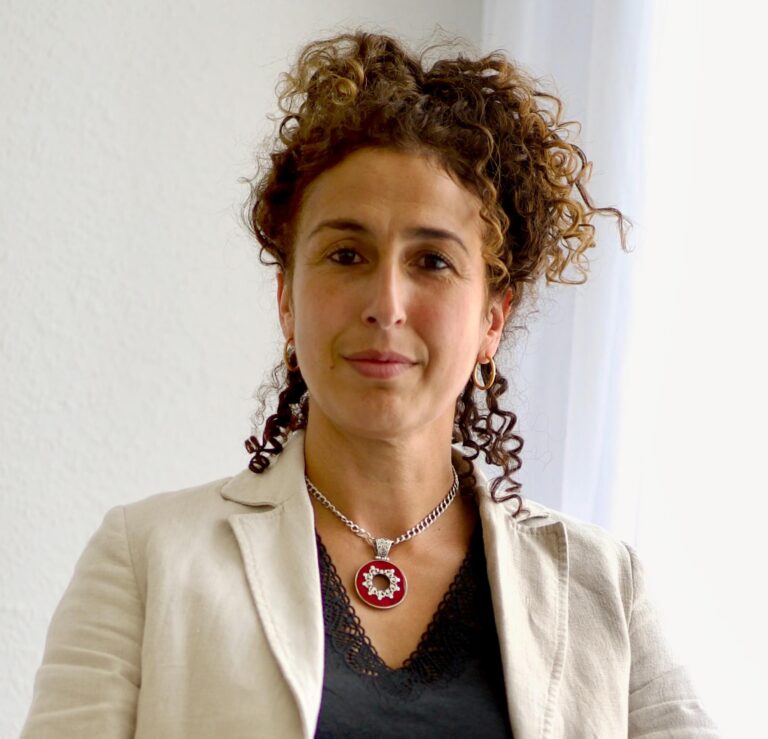
As a therapist, I offer you a place where we can reflect on what is happening for you and why. It is a space where you can be vulnerable, you can grieve, express your anger or explore your anxieties.
There are countless reasons why you might be considering therapy at the moment. There may be a particular issue in the present day that you wish to address, such as your relationships, bereavement, addictions or depression. Or, you might feel haunted by unresolved issues from your past such as trauma, abuse or childhood experiences. Perhaps it is hard to name what is troubling you, yet you feel overwhelmed, or that your life is lacking meaning and purpose and it is hard to find any enjoyment.
Working compassionately, I will support you to find ways in which you can make sense of your world, and work towards a place of more fulfilment and freedom in your life and your choices

I have a Masters Degree in Integrative and Humanistic Psychotherapy. This was an in depth and rigorous training encompassing an integration of several different theoretical models of psychotherapy whilst rooted in a fundamental recognition and respect of the unique life experiences of each individual. Central to this is the belief that every human being has the potential for positive change.
Relational. I am particularly interested in how our early environment influences our experiences in the current day. How we relate to others and ourselves is often heavily influenced by the quality of our early relationships. Frequently, the difficulties we have experienced in our lives are rooted in past relationships. Within the collaborative partnership with the therapist these ‘patterns of relating’ may emerge, enabling the work to be based in the ‘here and now’ of the therapy room, as well as reflecting on present and past life experiences.
Holistic. Despite being termed as a ‘talking therapy,’ I feel psychotherapy involves the whole of us; our bodies and our environments, as well as our internal worlds. Our bodily responses can inform us of feelings that we may not consciously notice, and memories that we are not aware of. Whilst we do not use physical touch, we will aim to be conscious of your physical reactions throughout our work. We will also take into consideration how your environment is shaped and what this might tell us about areas in your life that need addressing.
Intergenerational. The challenges that we face in life often don’t start with us, but are passed down from those before us. This can happen in many ways, such as relationally, environmentally, socially and culturally. Recognising the impacts of the intergenerational transmission of trauma and understanding how patterns of behaviour, unresolved wounds and emotions can be passed down through the generations can help make sense of how we come to be in the world today. This insight can lead to healthier more accepting relationships with others and self, and offers possibilities of breaking the cycles of trauma.
My fee is currently
for a 50 minute session. If you feel it will be beneficial, please contact me to arrange a free 15 minute telephone consultation.
We would arrange an initial meeting. This is a chance for us to meet each other and talk through your hopes and expectations of therapy. I will also clarify my approach to the work and my terms of service. Therapy is a very individual and subjective process, reliant on a connection between the client and therapist. The only way to really know how it might feel to work together is by meeting in person. This initial session is obligation free and does not commit you.
Sessions are 50 minutes long and take place weekly. Psychotherapy is usually an open ended process which means we would not be working to a set number of sessions. In most cases the length of therapy required is discussed between us, and an appropriate time to end is arranged in advance.
I work from The Edge Therapy Rooms, 8-10 Long Street, Dursley, GL11 4HZ
Whenever possible I recommend attending sessions in person, however however access to online therapy is helpful in certain circumstances. We can discuss your requirements regarding this before we meet.
I feel Supervision is a collaborative and creative relationship within which a deeper understanding of what is happening for the client, the therapist and the relational interplay between them can take place. Offering a reflective combination of support, challenge and containment, I hold a space for my supervisees in which they can untangle and make sense of the challenges they face in their clinical practice as well as celebrate the moments of joy and the sometimes alchemical magic that happens.
I have completed a Supervision Training with CSTD Bath (Centre for Supervision, Training and Development) and have obtained a Diploma Award. CSTD Bath is endorsed by The United Kingdom Council for Psychotherapy as a ‘Recognised Supervisor Training’ and meets all UKCP’s requirements for Supervision Training.
This training is founded upon the Seven-Eyed model of supervision first developed by Peter Hawkins in 1985. Looking at what happens within the relationship between therapist and client, it also focuses on the supervisory relationship and the wider contexts of supervisor, practitioner and client; making it both a relational and systemic approach.

Prior to training as a psychotherapist I lived a life focussing on working long hours and unconsciously doing everything I could to avoid the unresolved and unprocessed experiences of my past. Something needed to change. Entering into weekly psychotherapy and the process of a long Masters training finally gave me the space to slow down, be still and to make sense of and integrate my past experiences with my present day. This process was fundamental in shaping who I am now, a healthier and happier woman, and also gives me a deep insight into how daunting and exposing entering into therapy can feel.
I have been in private practice since 2014. Some of this time was based within a busy General Practitioner’s Surgery offering me first hand experience liaising with a range of health care professionals in order to give the best level of support for my clients. I have also completed a years placement set within a medium secure forensics psychiatric unit giving me additional insight into the care pathway for those at the more extreme end of psychological distress.
In addition to my psychotherapy and supervision practice, in 2024 I joined the training team at Bath Centre for Psychotherapy and Counselling (BCPC). This adds a rich dimension to my work, not only in the process of facilitating and supporting students in their personal and professional journeys, but also in terms of keeping my own psychotherapeutic work alive and current by engaging in an ongoing training process.
I am a member of Bath Centre pf Psychotherapy and Counselling (BCPC) and United Kingdom of Psychotherapy (UKCP). Both of these are professional bodies with a Code of Ethics and Practice to which I adhere. Within this professional framework I undertake frequent CPD courses and receive the required supervision for my clinical practice.
Diploma in Supervision (CSTD Bath) 2022 – 2024
MA / Diploma in Humanistic and Integrative Psychotherapy (BCPC) 2013- 2022
Foundation Certificate in Counselling and Psychotherapy (BCPC) 2012-2013
Foundation Course in Art Therapy (Insider Art) 2007-2008
BA Hons in Greek and Roman Studies (Exeter University) 1996-1999
I am a member of BCPC and UKCP (United Kingdom Council for Psychotherapy). Both of these are professional bodies with a Code of Ethics and Practice to which I adhere. In line with BCPC and UKCP guidelines I am closely supervised by both a UKCP registered supervisor and professional supervision group.

